
Orthodonticshas evolved far beyond braces and aligners, introducing smaller tools that can make treatment more precise and efficient. One of those tools is called a temporary anchorage device, or TAD, a tiny anchor that helps guide tooth movement in certain cases. Dr. John Foleyand the team at Foley Orthodonticsbelieve that understanding how modern orthodontic systems work helps patients feel more confident about their care. Next, let’s look at what TADs actually are and why orthodontists use them in treatment planning.
What Are TADs, Exactly?
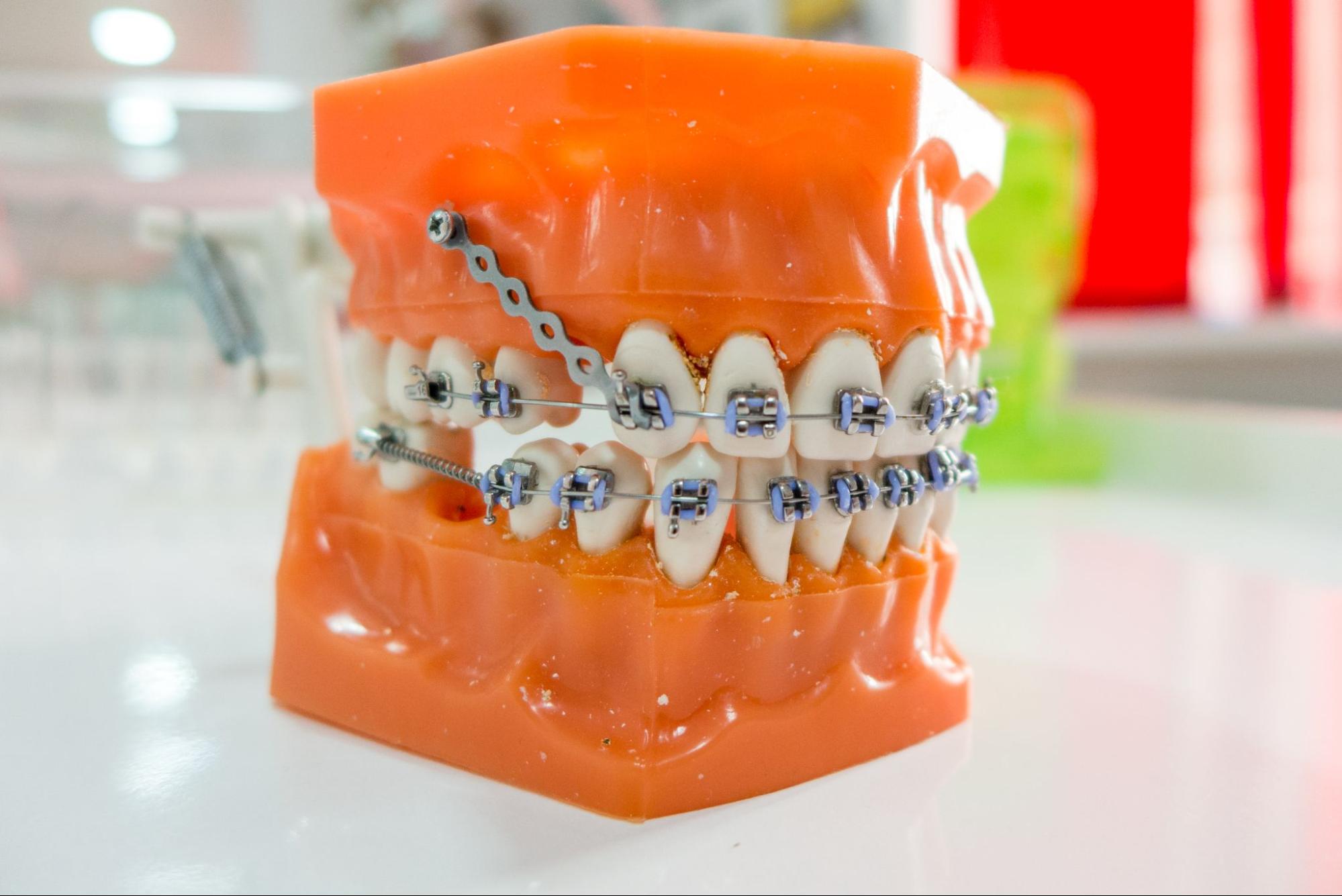
Think of a temporary anchorage device, or TAD, as a tiny helper that gives orthodontic tools something to work against. These small titanium anchors are placed in the bone between teeth to provide stability during certain phases of treatment. By acting as a fixed support, they help orthodontists move teeth that might otherwise be difficult to shift with braces or aligners alone.
Because TADs are so small, roughly the size of a pinhead, they’re used only when needed and removed once their job is complete. Their purpose is simple: to make precise tooth movement possible in a comfortable, efficient way.
Next, let’s look at how orthodontists use TADs in treatment and what happens once they’re in place.
How TADs Work During Orthodontic Treatment
Once a TAD is in place, it becomes part of a small but powerful system that helps orthodontistsfine-tune treatment. Instead of relying only on teeth to provide resistance, a TAD gives a steady anchor point, allowing for more controlled movement. This extra stability can shorten treatment time and improve precision for challenging adjustments.
Here’s what happens step by step:
- Placement:After a quick numbing gel, the orthodontist inserts the TAD into a carefully chosen spot in the bone between teeth.
- Connection:A light wire or elastic attaches to the TAD, working in sync with bracesor alignersto guide movement.
- Progress: Over time, the TAD holds steady while teeth shift into new positions.
- Removal:Once its job is complete, the device is easily removed—no stitches or downtime required.
TADs may be small, but they can make a noticeable difference in how efficiently orthodontic treatment progresses. Next, let’s look at when orthodontists decide to use them and why they can be such a helpful part of the process.
When Are TADs Needed?
TADs aren’t part of every orthodontic plan; they’re reserved for situations that need a little extra precision. Orthodontists may use them to help correct movements that braces or aligners can’t accomplish on their own. Because each patient’s bite and tooth position are different, TADs are used only when they make treatment smoother or more efficient.
Here are a few common examples of when a TAD might be recommended:
- Closing gaps between teeththat don’t respond easily to bracesalone
- Adjusting bite positionto improve how the upper and lower teeth fit together
- Moving a single toothwithout affecting its neighbors
- Supporting jaw or molar movementfor better overall balance
While the idea of adding another orthodontic tool might sound intimidating, TADs are surprisingly small and straightforward in practice. Next, let’s look at what the placement process actually feels like and how orthodontists make it simple for patients.
What to Expect During Placement
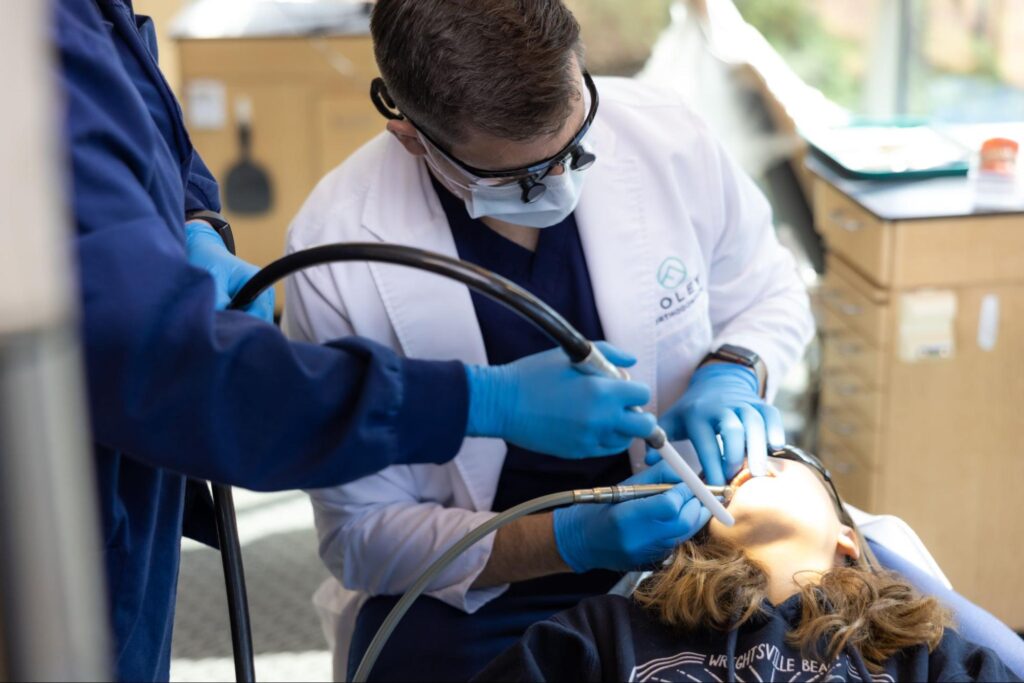
The process of placing a temporary anchorage device might sound complex, but in practice, it’s quick and carefully planned. Orthodontists use advanced imaging and precise techniques to determine the best location for each device, keeping the experience as simple as possible from start to finish.
A Quick and Careful Placement
Once the area is cleaned, a small amount of numbing gel is applied to keep everything comfortable. The orthodontist then places the TAD using a gentle, guided approach that takes only a few minutes. Most patients can return to work, school, or errands right afterward.
Caring for the Area
TADs require little maintenance, but keeping the surrounding area clean helps everything stay on track. Using a soft-bristle toothbrush and rinsing regularly helps maintain good hygiene until the device is removed.
Simple Removal
When the TAD’s job is complete, it’s removed just as smoothly as it was placed. The process is quick, and there’s no recovery time needed.
Every step is designed to be efficient and straightforward, which is why TADs have become such a trusted part of modern orthodontic planning. Next, let’s explore the benefits that make these tiny tools so effective.
Modern Tools With Trusted Expertise
Every advancement in orthodontics builds on one simple goal: making treatment smarter, faster, and more comfortable for patients. Tools like TADs highlight how far the field has progressed, turning complex movements into carefully planned steps that orthodontists can control with precision. Dr. John Foley combines that same forward-thinking mindset with proven techniques and personalized treatment plans that fit each patient’s needs.
Technology plays a major role at Foley Orthodontics, from digital scans to customized LightForce clear braces built for accuracy and comfort. The result is a care experience that feels modern yet approachable, guided by an expert who values both innovation and connection.
Next, let’s close with how Dr. Foley and his team continue to shape confident, lasting smiles across Cary.
The Foley Orthodontics Difference
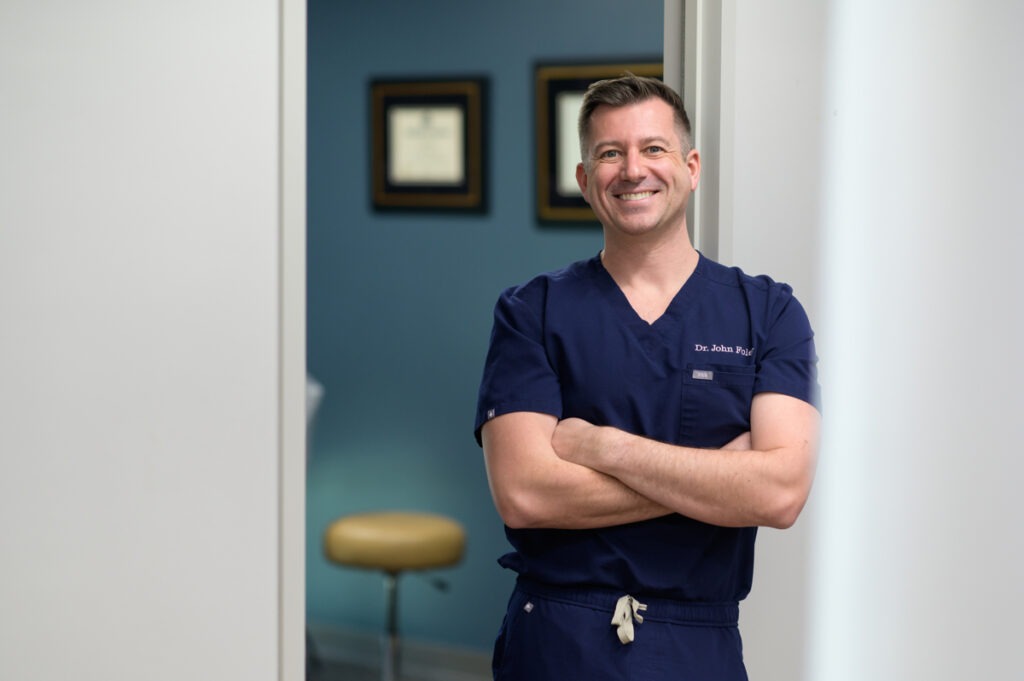
In Cary, orthodontic care feels more personal when expertise meets genuine connection. As a board-certified orthodontist with advanced training from the Mayo Clinic, Dr. John Foley combines experience and technology to create an environment that feels both professional and approachable.
Each treatment plan is tailored with care, using tools that support accuracy, comfort, and efficiency. From flexible scheduling to same-day consultations, Foley Orthodontics keeps convenience at the heart of every visit.
Patients know they’re in trusted hands from the first scan to the final results, guided by a team that values expertise and kindness in equal measure. With that level of trust, the next step toward orthodontic confidence becomes an easy one.
Where Science Meets a Smile
Modern orthodontics is full of clever tools, and TADs are proof that even small innovations can create powerful change. With Dr. John Foley’s board-certified expertise and the personalized care of Foley Orthodonticsin Cary, every treatment feels thoughtful, precise, and genuinely tailored to the patient. Schedule your free consultationand see how modern methods can keep your smile moving forward!